

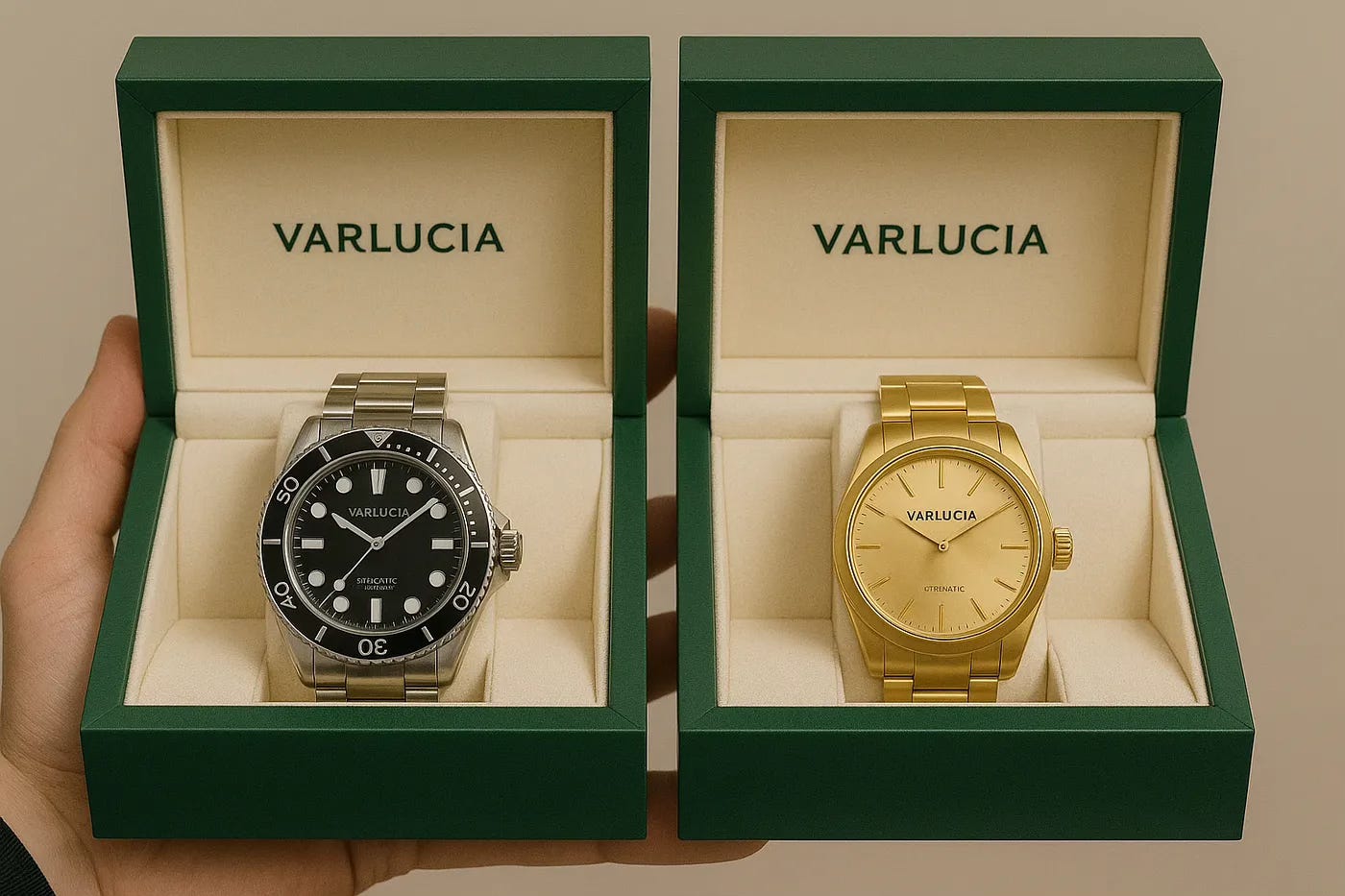
The issue of trust has been in the air quite a lot recently. A friend was holding an online session on building trust and said, you need to trust yourself first to be able to trust others. I agree, yet find it difficult to put it into practice. Like when a stranger offers me an expensive watch for free on the street.
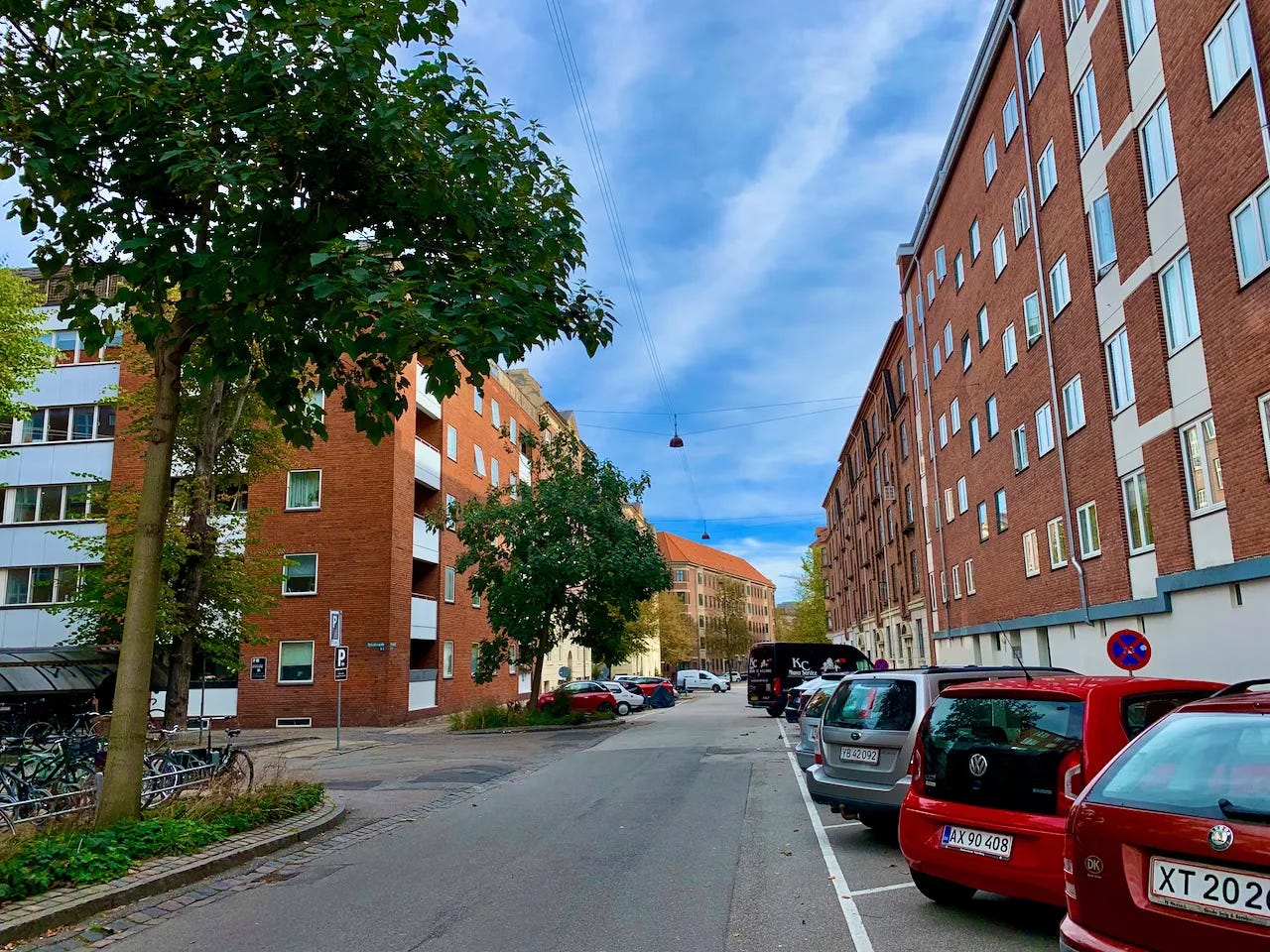
I am walking home from an errand this balmy early autumn afternoon when a car slows to a halt next to me. The glass of the front passenger window rolls down and the friendly driver greets me with a chirpy hi. Recognising my inability to recognise the spouses of my colleagues and friends unless seen together, I try to compensate for my memory lapse with an overly friendly “Hi, how are you?”
“You speak English? Thank God, for I’ve been lost here for quite some time… Where are you from?”
Hearing my answer, he names the Indian places he has travelled to: Delhi, Mumbai, and Goa. He is from Italy and mentions Sonia Gandhi. Still smiling, I ask him if he was there on holiday.
He says, oh no, he is here on business. He is the general manager of a watch company, travelling to exhibitions to showcase its products. Here’s his business card. I take a look and recognise the name of this famous brand, and I let out an impressed “Ooh.” His company has had an exhibition in Copenhagen, and he’s on his way back. He only wants to find the way to the airport.
I don’t own a car, nor do I drive, so it takes me a while to map out the direction for him. I direct him to the longer route, asking him to trust me that it’d be faster than going through the city at this hour. That’s what the Danish taxi drivers tell me, and I trust them. I repeat the direction for him; I'm not sure I was clear the first time.
After the practicalities, we return to the pleasantries. He thanks me profusely and tells me I must meet him when I go to Italy. And he’ll let me know when he is in India again. We will keep in touch and remain friends. In fact, I’ve been such a great help, he wants to gift me something in return. What is it he wants to give me, I am curious. He takes out a couple of boxes, opens one, and offers it to me, containing a really expensive watch.
I refuse the gift. He insists. It is just one sample of his products. It doesn’t matter to him or his company who gets the samples. He knows good watches are expensive in Denmark because of the taxes. I insist I cannot take such a gift for a little help. We play back and forth a few times in the insistence match. Finally, I win. I say in jest that the gift can wait until I visit him in Italy. Disappointed but still smiling, he turns his car and leaves.
I am pleased to have helped someone today and wonder how generous strangers can be. MM wonders if the stranger was really friendly or a fraud. Did he mistake me for a tourist because of my backpack and camera? Maybe he was trying to scam me? I quickly check my backpack: no, everything is in order, as is the camera. He must be a genuine general manager. I hope my direction based on taxi rides is accurate and helpful to him.
MM asks how come the Italian didn’t have a GPS in such a big modern car? Who gives out an expensive watch for a little mapping help? How will he get in touch with his new friend if he didn’t ask for my contact details? Does even this company exist? Did you look at the fine print?
I look at his business card; it looks a bit homemade for an expensive watch brand. There is a website address and a couple of phone numbers with the general manager’s name and title. There is no email address. Yes, there’s a fine print: under the brand name, there’s a second name of the brand, to indicate in a fine, subtle way that all that glitters may not be an expensive brand.
MM asks, did you really trust him, and rolls in laughter. I remind myself of what my friend said: did I trust myself to trust a stranger? As my therapist later asked: Did I trust myself enough to stay with the uncertainty of whether the stranger was a fraud or a friend?
Trust me, I did. During the interaction itself, I didn’t watch my back. MM’s suspicions notwithstanding, I trusted myself enough to stay with the moment and help the stranger. I trusted my instinct to refuse the gift, not because I suspected a scam, but because I was determined that a gift, expensive or not, in return for a helpful gesture renders the gesture valueless. I trust my values and heart enough to trust a stranger.
But can I really trust this stranger? Is he a real general manager or a general scamster? I can check the website or call the numbers to find out. I dare not, though. I don’t trust my ability to bear the shock if MM’s mistrust scores a bull’s eye.
(Until recently stationed in Copenhagen, Denmark, the writer is a former journalist and UN communications professional. MM is his friendly Monkey Mind, always monkeying around in his life.)
This is a curious story. But it does reveal the difficulty of figuring out the difference between illusion and reality. Plus it underlines the necessity of trusting one's own personal reality!